
Algerian Journalist Abdelali Mezghiche Sentenced to Three Years in Prison, CPJ Demands Release
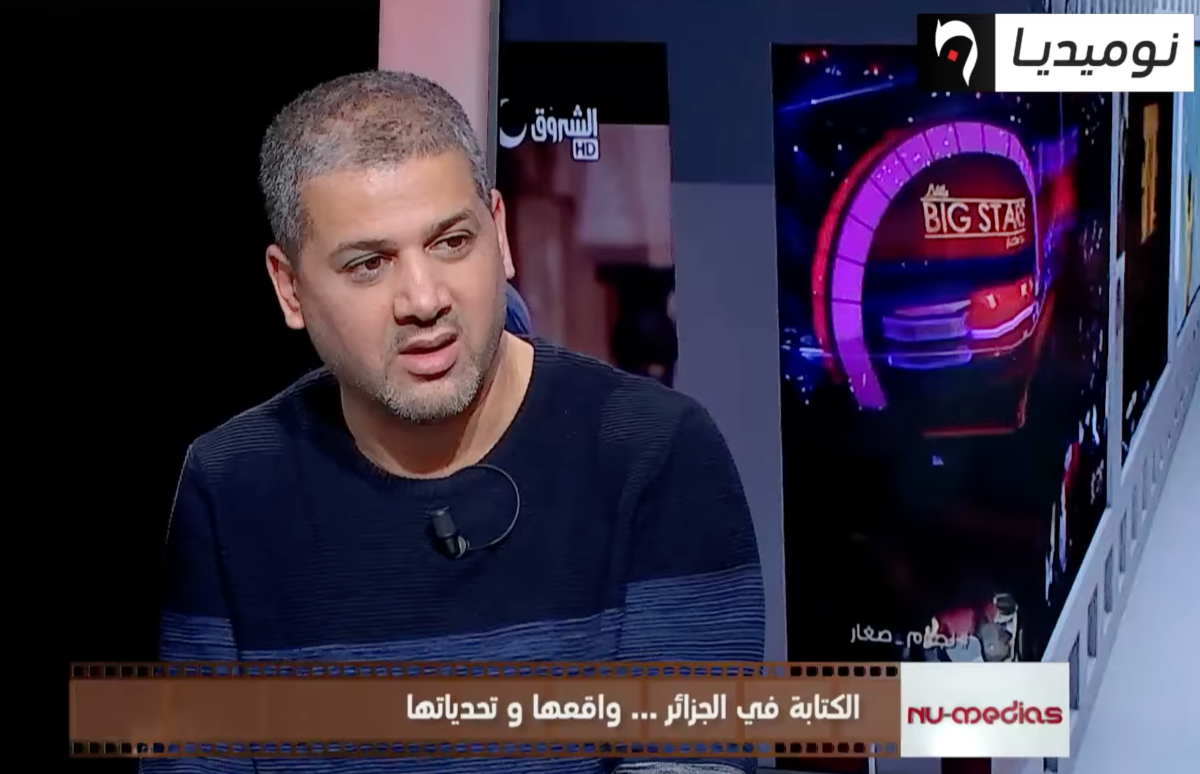
An Algerian court has sentenced journalist Abdelali Mezghiche to three years in prison and a fine of 200,000 Algerian dinars (approximately US$1,500) on five misdemeanor charges, drawing sharp condemnation from the Committee to Protect Journalists (CPJ).
The verdict, delivered on November 8 by a court in Chéraga, west of Algiers, marks a significant escalation in the Algerian authorities' crackdown on press freedom. CPJ has called for Mezghiche's immediate and unconditional release, the overturning of his conviction, and an end to the prosecution of journalists for exercising their right to freedom of expression.
The Verdict and Charges
The Chéraga court convicted Mezghiche on charges that include publishing content deemed harmful to the national interest, inciting unarmed gatherings, and disseminating hate speech. Prosecutors had initially sought a five-year prison term and the same fine during an October 25 hearing. The judge handed down the three-year sentence at the November 8 session. Mezghiche's defense team has announced plans to appeal the verdict.
A local journalist, speaking to CPJ on condition of anonymity for fear of reprisal, confirmed that the conviction rests on Articles 96 and 100 of Algeria's penal code. Article 96 criminalizes the distribution of publications considered harmful to the national interest, while Article 100 penalizes incitement to unarmed gatherings. These provisions are broadly worded and have been repeatedly used to target independent reporting and dissent.
Plainly put: The Algerian government is using vague laws about "national interest" and "unarmed gatherings" to put a journalist in prison for doing his job — reporting and expressing views the authorities dislike.
Background and Arrest
Mezghiche, a veteran media professional, has worked for Algeria's state-owned public television broadcaster since 2005, where he presented cultural programs. Before that, he worked in print journalism and has published three poetry collections.
His arrest on February 5, 2026, and subsequent pretrial detention ordered on February 9 by an investigating judge at the Chéraga Court, placed him in Kolea Prison in the northern province of Tipaza, where he has remained for over nine months awaiting trial.
The length of pretrial detention itself raises concerns about due process. International human rights standards generally require that pretrial detention be an exception rather than the rule, and that it be limited in duration. Mezghiche's nine-month detention before sentencing suggests a process designed to punish through process as much as through the final verdict.
Broader Context of Press Freedom in Algeria
Mezghiche's case is not isolated. CPJ reports that at least seven journalists are currently jailed in Algeria for their work. This figure places Algeria among the world's leading jailers of journalists, a distinction that has drawn repeated criticism from international press freedom organizations and human rights bodies. The use of penal code provisions like Articles 96 and 100 to criminalize journalism reflects a systematic approach to controlling the information space.
Algeria's state-owned media landscape, where Mezghiche built his career, operates under tight government oversight. Journalists who cross editorial red lines — whether in state media or independent outlets — face legal retaliation, professional blacklisting, and imprisonment. The chilling effect extends beyond those directly targeted, fostering self-censorship across the profession.
Plainly put: Algeria has a pattern of jailing journalists. At least seven are behind bars right now for their work. The laws used against Mezghiche are tools the government uses repeatedly to control what gets reported.
International Response and Next Steps
CPJ's Regional Director Sara Qudah characterized the sentence as "a blatant weaponization of the Algerian judiciary to silence critical voices." The organization has demanded Mezghiche's immediate release and the overturning of his conviction. CPJ also reached out to the Algerian Ministry of Justice and Ministry of Interior for comment on Mezghiche's detention; neither ministry responded.
The appeal process now becomes the next critical juncture. Algerian appellate courts have occasionally reduced sentences or ordered retrials in high-profile press freedom cases, but they have also upheld harsh verdicts. International attention and diplomatic pressure may influence the outcome, though the Algerian government has historically resisted external interference in what it considers internal judicial matters.
For Mezghiche, a cultural journalist and poet, the sentence represents a dramatic rupture in a career dedicated to public broadcasting and literary expression. For Algeria's press corps, it serves as a stark reminder of the risks of crossing invisible lines. For the international community, it is another data point in a deteriorating press freedom landscape that demands sustained monitoring and response.
Was this clear?
library_booksSource
Committee to Protect Journalists
15 Nov 2026
- funding model
- non-profit (grants, donations)
- jurisdiction
- International
- owner
- Non-governmental organization (Committee to Protect Journalists)
Was the source link correct?
topicRelated Articles

Congress MP Asserts Opposition Unity Against Delimitation Bill, Citing Constitutional Defense

Love as Resistance: Dalit-Feminist Anthology Reframes Intimacy as Political Defiance Against Caste

Rajasthan SOG Busts Interstate Racket Selling Forged Medical Degrees; Class 11 Dropout Posed as Doctor at Safdarjung

Four Killed in Rohtak Hotel Shooting; Police Investigate Alleged Honey-Trap Ambush

Delimitation Bill Framed as Trojan Horse to Reshape India's Electoral Map

Vijay's TVK Labels Stalin 'Savarkar 2.0' in Sharp Delimitation Offensive

Rohit Sharma Reveals Reluctance Behind Mumbai Indians Captaincy Return
