
Deutsche Welle Deploys Global Newsroom for 2026 US Midterms, Offering Live Results and Geopolitical Analysis
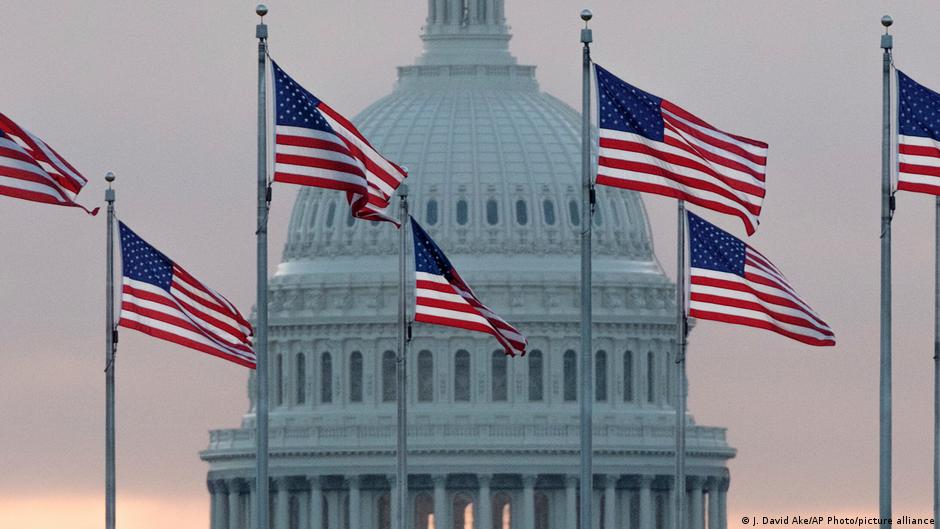
Deutsche Welle, Germany's international broadcaster, is mounting a sweeping multiplatform operation to cover the 2026 United States midterm elections, combining real-time results with deep-dive reporting from battleground states and expert analysis of the vote's repercussions for global security and trade.
Midterm elections occur halfway through a president's four-year term and determine the composition of Congress, shaping the legislative agenda for the remaining two years. The 2026 contest will decide the balance of power in both the House of Representatives and the Senate, directly influencing President Donald Trump's ability to govern during his final two years in office.
A Global Lens on a Pivotal Election
DW's coverage extends far beyond a single language feed. The broadcaster's more than 30 language services — including German, French, Arabic, Farsi, Russian, and Ukrainian — will deliver reporting and analysis tailored to regional audiences worldwide. This multilingual approach reflects the international stakes of the election, as outcomes in Washington reverberate through NATO alliances, global trade networks, and climate negotiations.
The North Atlantic Treaty Organization (NATO) is a military alliance of North American and European countries committed to collective defense. Shifts in US congressional power could alter funding commitments and strategic priorities within the alliance, a key focus of DW's Brussels studio reporting.
Live Election Night Coverage
The centerpiece of DW's operation is an election-night livestream running from 2:00 a.m. to approximately 4:30 a.m. Central European Time on November 4. Central European Time (CET) is the standard time zone used in Germany and much of Europe, six hours ahead of US Eastern Time.
Anchored by DW Washington Studio Chief Ines Pohl, the broadcast will feature correspondents Michaela Küfner, Benjamin Alvarez-Gruber, Misha Komadovsky, and Janelle Dumalaon reporting from Washington, D.C., Texas, and Michigan.
These journalists will track key races and shifting voter allegiances in real time, joined by political analysts to dissect America's deepening political divisions. The stream will be accessible on DW's YouTube and TikTok channels as well as DW TV, ensuring reach across both traditional and social platforms.
Post-Election Analysis
Coverage does not end when the polls close. On the morning of November 4, DW will air two special livestreams. From 9:00 to 9:45 a.m. CET, a program will break down results, reactions, and key takeaways. At 1:00 p.m. CET, the focus shifts to a 45-minute special examining consequences for Europe and the wider world, including a post-election edition of "Berlin Briefing" with Küfner in Washington, Max Hofmann in Berlin, and host Nina Haase.
DW's Studio Brussels is preparing a dedicated report on European security and NATO implications. Further segments will explore the outlook for US trade policy, tariffs, and climate policy — areas where congressional control can dramatically alter international trajectories.
Beyond the Ballot
In the weeks leading up to the vote, DW correspondents have fanned out across critical states to document the forces shaping the electorate. In Texas, reporting explores shifting political loyalties among Latino voters and the state's growing electoral weight. Michigan coverage examines divisions between Arab-American and Jewish communities over the war in Gaza.
Georgia reporting focuses on Black voter perspectives and fractures within the MAGA movement. Pennsylvania coverage highlights the deep political divide in one of the nation's most closely watched swing states.
Thematic investigations complement geographic reporting. DW probes threats to election security, the role of artificial intelligence in political campaigning, and foreign-linked disinformation campaigns targeting voters. Disinformation refers to false information deliberately spread to deceive or manipulate public opinion. A separate series examines barriers facing women in US politics, from campaign financing and entrenched networks to gender bias, as female candidates seek historic wins.
Digital-First Strategy
Across YouTube, TikTok, Instagram, and Facebook, DW delivers on-the-ground reporting, interviews, explainers, and fact-checking throughout election week. This digital-first approach aims to meet younger and mobile-first audiences on their preferred platforms. Following the vote, digital coverage will examine implications for Trump's presidency, the future of the Democratic Party, and US relations with the rest of the world — spanning NATO, European security, trade, and climate policy.
Was this clear?
library_booksSource
Deutsche Welle (DW)
3 Nov 2026
- funding model
- publicly funded (German federal budget)
- funding model
- publicly funded (German federal budget)
- jurisdiction
- Germany
- jurisdiction
- Germany
- owner
- Deutsche Welle, German public international broadcaster
- owner
- Deutsche Welle, German public international broadcaster
Was the source link correct?
topicRelated Articles

Congress MP Asserts Opposition Unity Against Delimitation Bill, Citing Constitutional Defense

Love as Resistance: Dalit-Feminist Anthology Reframes Intimacy as Political Defiance Against Caste

Rajasthan SOG Busts Interstate Racket Selling Forged Medical Degrees; Class 11 Dropout Posed as Doctor at Safdarjung

Four Killed in Rohtak Hotel Shooting; Police Investigate Alleged Honey-Trap Ambush

Delimitation Bill Framed as Trojan Horse to Reshape India's Electoral Map

Vijay's TVK Labels Stalin 'Savarkar 2.0' in Sharp Delimitation Offensive

Rohit Sharma Reveals Reluctance Behind Mumbai Indians Captaincy Return
