
Public Fascination with Archaeology Fuels New Era of Science Engagement
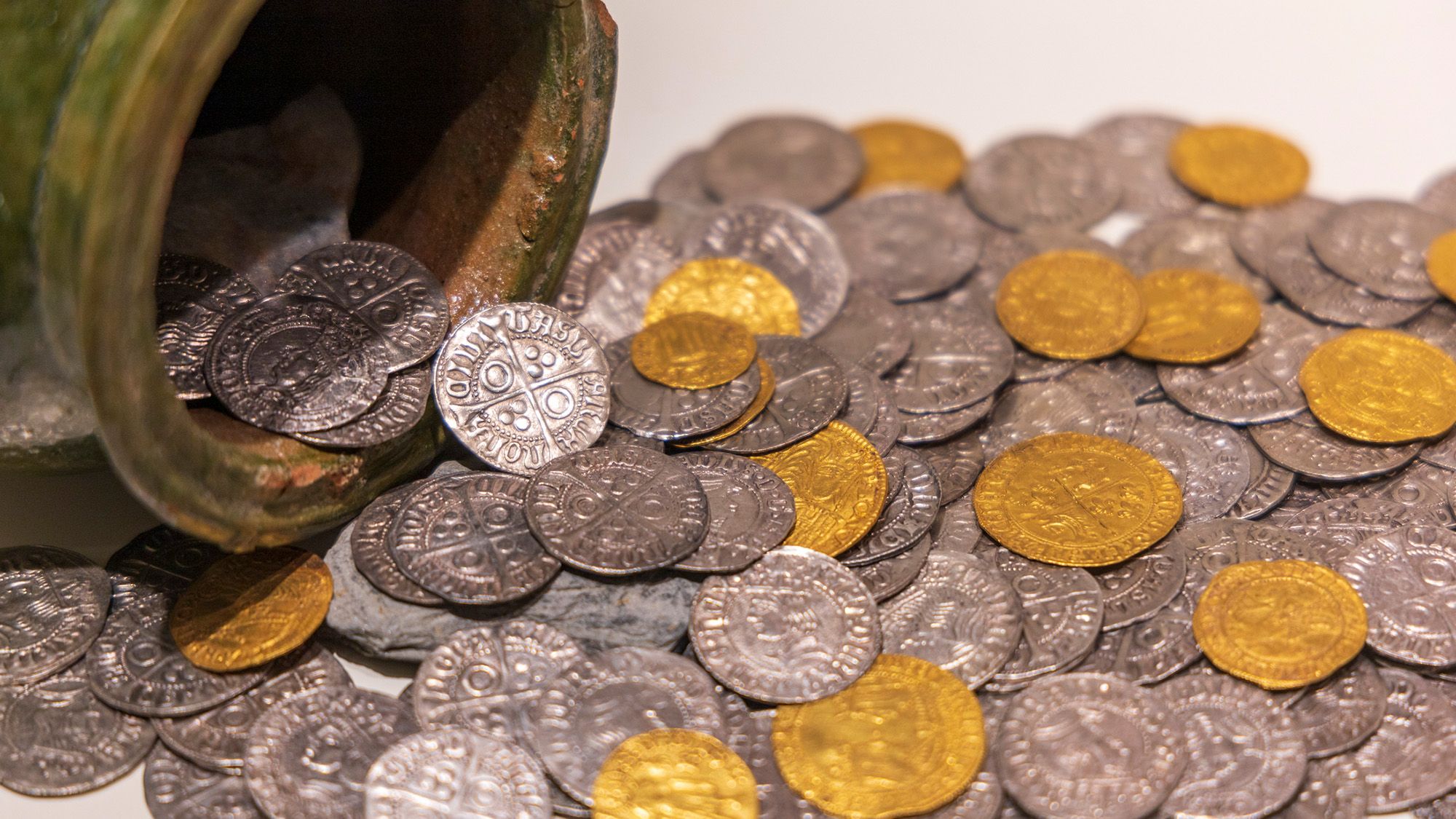
Live Science has launched an interactive poll asking readers to choose which archaeological treasure they would most want to uncover, highlighting the enduring public appetite for stories about the ancient world.
The feature, framed as a membership engagement tool, spotlights several of history's most consequential finds — from the Rosetta Stone to the $17 billion San José shipwreck — and invites audiences to weigh in on the discoveries that capture the imagination.
The initiative reflects a broader shift in science media toward participatory formats that blend editorial authority with community-driven curiosity.
At the heart of the piece lies a simple but powerful premise: archaeological discoveries are not merely academic milestones; they are cultural touchstones that resonate across generations. The Rosetta Stone, for instance, did more than unlock hieroglyphs — it opened an entire civilization to modern understanding.
Similarly, the ongoing effort to decipher the Indus Valley script represents one of linguistics' last great frontiers, with implications for understanding one of the world's earliest urban societies. These examples illustrate how a single artifact can reframe centuries of history.
The San José galleon, discovered off Colombia in 2015, adds a layer of geopolitical complexity. Valued at an estimated $17 billion, its cargo of gold, silver, and emeralds has sparked international disputes over ownership, involving Colombia, Spain, and private salvage companies.
The wreck is not just a treasure trove; it is a legal and ethical battlefield, raising questions about cultural heritage, maritime law, and the commodification of the past. Archaeologists continue to study the site, but access remains contested, underscoring how discovery often outpaces resolution.
Another highlighted find, the "ghostly sand body" double burial at Sutton Hoo, exemplifies the power of preservation. Recent re-examinations using advanced imaging and soil analysis have revealed previously invisible details — organic materials preserved as mineralized silhouettes — offering new insights into burial rites and craftsmanship. Such breakthroughs demonstrate how evolving technologies continually refresh old discoveries.
The poll also references the 2,600-year-old inscription in Turkey mentioning a goddess known "simply as the Mother," recently deciphered after decades of study. This Anatolian text sheds light on Phrygian religious practices and the syncretism of ancient Anatolian and Greek traditions. Its translation required collaboration across epigraphy, linguistics, and archaeology — a reminder that major finds often demand interdisciplinary effort.
Live Science's approach — embedding the poll within a premium membership experience — signals a strategic pivot in science journalism. By gating exclusive reporting, scientist interviews, and ad-free reading behind a subscription tier, the outlet is betting that audiences will pay for depth, authority, and community.
The inclusion of badges, quizzes, and newsletters gamifies engagement, turning passive readers into active participants. This model mirrors trends across digital media, where loyalty is cultivated through interaction rather than mere consumption.
Kenna Hughes-Castleberry, Live Science's Content Manager, brings a background in physics research communication and space journalism to the role. Her editorial vision emphasizes rigorous fact-checking, expert commentary, and narrative depth — qualities that distinguish professional science journalism from algorithmic aggregation. The platform's "Science Spotlight," "Book Excerpts," and "Interviews" sections further reinforce a commitment to original, sourced reporting.
The broader implication is clear: public interest in archaeology remains robust, but the mechanisms of delivery are evolving. Audiences no longer want only to read about discoveries; they want to vote, discuss, and belong.
By framing archaeological wonder as a shared conversation, Live Science transforms curiosity into connection — and in doing so, may help sustain the very field that produces these treasures. As funding for excavation and preservation competes with urgent modern priorities, public enthusiasm becomes a form of advocacy.
The next Rosetta Stone may lie buried not just in sand, but in the attention economy.
The answer may reveal less about the past than about what we, in the present, choose to value.
Was this clear?
library_booksSource
Live Science
23 Nov 2026
- funding model
- commercial media
- owner
- Future plc
Was the source link correct?
topicRelated Articles

Congress MP Asserts Opposition Unity Against Delimitation Bill, Citing Constitutional Defense

Love as Resistance: Dalit-Feminist Anthology Reframes Intimacy as Political Defiance Against Caste

Rajasthan SOG Busts Interstate Racket Selling Forged Medical Degrees; Class 11 Dropout Posed as Doctor at Safdarjung

Four Killed in Rohtak Hotel Shooting; Police Investigate Alleged Honey-Trap Ambush

Delimitation Bill Framed as Trojan Horse to Reshape India's Electoral Map

Vijay's TVK Labels Stalin 'Savarkar 2.0' in Sharp Delimitation Offensive

Rohit Sharma Reveals Reluctance Behind Mumbai Indians Captaincy Return
