
How Gleevec Turned a Death Sentence into a Manageable Condition: The CML Revolution
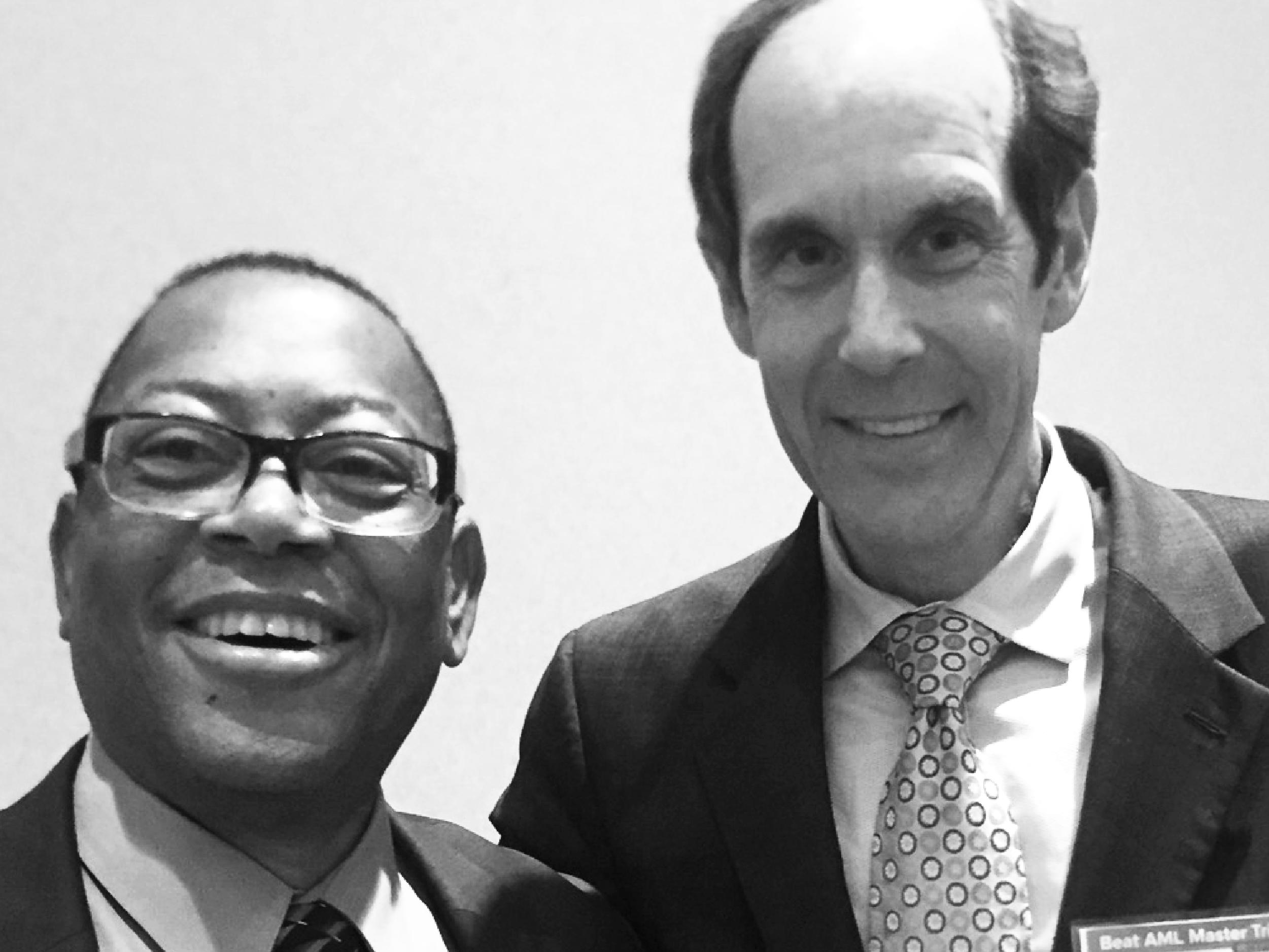
In 1995, Army Major Mel Mann received a diagnosis that effectively came with an expiration date: chronic myeloid leukemia (CML), a blood cancer that, at the time, gave patients roughly three years to live. The standard cure — a bone marrow transplant — required a matched donor, a near-impossibility for Mann as an African American, given the stark lack of diversity on donor registries.
Today, 26 years later, Mann is the longest-living survivor on the drug that changed everything: imatinib, known commercially as Gleevec.
His story, and the scientific breakthrough behind it, marks one of oncology's most definitive victories — the transformation of a fatal disease into a chronic, controllable condition through the first precision medicine designed to target cancer at its molecular root.
The Diagnosis and a Desperate Search
When Mann was diagnosed at 37, CML was a grim prognosis. The disease causes the bone marrow to produce excessive, abnormal white blood cells, crowding out healthy blood cells. Without a transplant, the only option was interferon therapy, which offered limited survival benefits and brutal side effects.
Mann retired from the military, moved to Atlanta, and began organizing bone marrow drives to expand the registry — not just for himself, but for others facing the same demographic barrier. By 1998, his white blood cell count was soaring, his health collapsing; he could no longer jog a single block. Time had effectively run out.
The Molecular Insight That Changed Everything
While Mann fought for survival, Dr. Brian Druker at Oregon Health & Science University was pursuing a radically different approach. This gene produces a protein — a tyrosine kinase — that signals cells to divide uncontrollably.
Druker's insight was simple in concept but revolutionary in execution: instead of poisoning all rapidly dividing cells (chemotherapy's blunt instrument), design a molecule that fits into the ATP-binding pocket of the BCR-ABL protein like a key in a lock, shutting down the cancer's engine while sparing healthy cells.
Explain it simply: Think of the BCR-ABL protein as a stuck accelerator pedal in a car. Traditional chemotherapy tries to stop the car by slashing the tires or draining the gas tank — damaging the whole vehicle. Gleevec works by reaching under the pedal and physically blocking it from being pressed down, stopping the dangerous signal without wrecking the rest of the car.
Four Years of Lobbying, Then a 100% Response Rate
Translating that insight into a pill took years of persuasion. Druker spent four years lobbying the pharmaceutical company (then Novartis) to prioritize the drug's development. Clinical trials finally launched in 1998 — the same year Mann enrolled. The results were unprecedented.
"During the clinical trials, we saw this miracle: once the patients were up to effective doses, we got a 100% response rate," Druker recalled. Patients whose blood counts had been spiraling out of control normalized within weeks. The term "miracle" is rarely used in oncology, but the data left little room for hyperbole.
Living Proof
Mann's response was dramatic. By January 1999, months after starting the trial, he was running marathons again. He has since watched his daughter grow up, become a physician, and witnessed decades of life events — weddings, grandchildren — that the original prognosis made impossible.
His longevity on a single targeted therapy is extraordinary; most cancer drugs eventually face resistance as tumors evolve. Yet for CML, Gleevec and its successors (second- and third-generation tyrosine kinase inhibitors) have turned the disease into a condition managed with a daily pill, with life expectancy now approaching that of the general population.
A Blueprint for Precision Oncology
Gleevec's success did more than save CML patients; it validated an entire paradigm. It proved that understanding a cancer's specific molecular driver could yield therapies with remarkable efficacy and tolerability. It also reshaped drug development: biomarkers now guide patient selection, trials are smaller and faster, and regulatory pathways accommodate breakthrough designations.
The Unfinished Work
Mann's experience also highlights persistent gaps. His initial struggle to find a marrow donor underscored the critical need for diversity in clinical trials and donor registries — a challenge that remains today. Moreover, the high cost of tyrosine kinase inhibitors creates access disparities globally.
While generics have emerged, ensuring equitable distribution, especially in low- and middle-income countries, is an ongoing policy battle. Mann, now an advocate, emphasizes that the scientific triumph must be matched by systemic commitment: "Take your medication and live every day," he tells newly diagnosed patients — but only if they can get the pills.
The arc from Mann's 1995 death sentence to his 26-year survival is not just a medical milestone; it is a testament to what happens when molecular biology meets relentless clinical advocacy. CML remains the gold standard for precision oncology — a reminder that the most powerful therapies begin not in a test tube, but in the decision to target a disease at its source.
Was this clear?
library_booksSource
NCI
8 Oct 2026
- funding model
- government funded
- owner
- U.S. National Institutes of Health (NIH) (U.S. federal appropriations)
Was the source link correct?
topicRelated Articles

H5N1 Avian Influenza Spreads to Coimbatore Wild Birds as Tamil Nadu Intensifies Poultry Culling in Cuddalore
The Neuroscience of Letting Go: How Cultivating Good Wishes Rewires the Brain for Resilience
Global Experts Publish Updated Consensus Statement on ADHD, Affirming Strong Genetic Basis and Clarifying Environmental Risks

Congress MP Asserts Opposition Unity Against Delimitation Bill, Citing Constitutional Defense

Love as Resistance: Dalit-Feminist Anthology Reframes Intimacy as Political Defiance Against Caste

Rajasthan SOG Busts Interstate Racket Selling Forged Medical Degrees; Class 11 Dropout Posed as Doctor at Safdarjung

Four Killed in Rohtak Hotel Shooting; Police Investigate Alleged Honey-Trap Ambush
