
Regulators Gain Blueprint for Auditing Algorithmic Systems as Online Safety Laws Take Effect
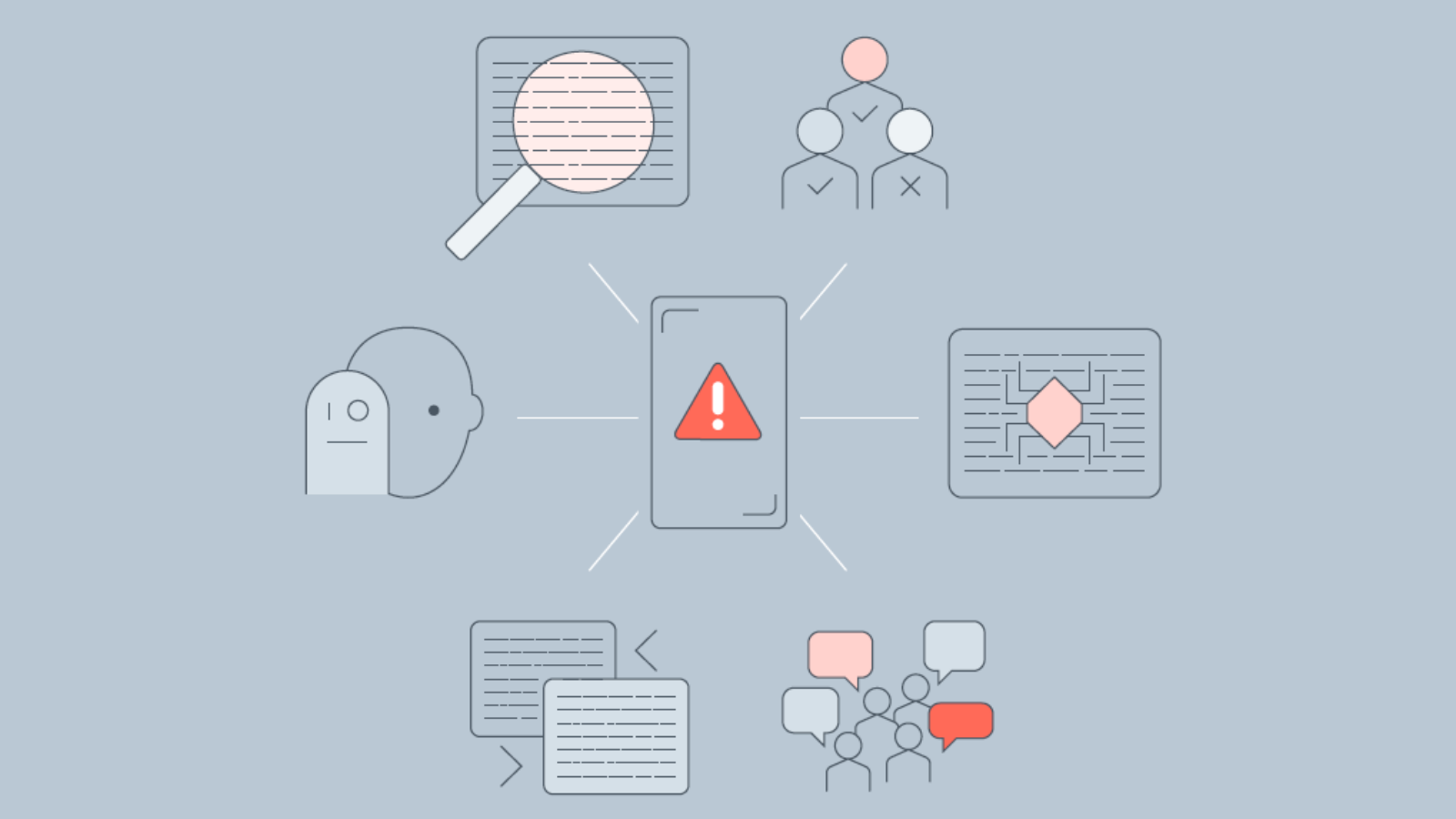
A new report from the Ada Lovelace Institute provides the first comprehensive framework for how regulators can technically inspect the algorithmic systems that power platforms like Facebook, TikTok, and YouTube.
As the UK's Online Safety Bill and the EU's Digital Services Act grant watchdogs unprecedented powers to demand accountability, the research identifies six distinct audit methods — code audit, user survey, scraping audit, API audit, sock-puppet audit, and crowd-sourced audit — each suited to different investigative questions.
The report, commissioned to support Ofcom as the UK's designated online-safety regulator, argues that technical audits must sit alongside policy reviews and staff interviews to form a complete regulatory inspection regime.
The Regulatory Imperative
Policymakers worldwide have converged on a shared diagnosis: the algorithmic systems that decide what content users see, and what gets removed, operate with insufficient oversight. The UK's draft Online Safety Bill grants Ofcom information-gathering powers to assess compliance with duties of care for "user-to-user services" and search services.
The European Digital Services Act imposes similar obligations on very large online platforms. Australia, Germany, Ireland, and Canada are pursuing parallel regimes. Yet until now, regulators have lacked a clear taxonomy of how to exercise these powers technically.
Explain it simply: Governments are passing laws that let regulators look inside the "black box" of social media algorithms. But having the legal right to inspect is different from knowing how to inspect. This report provides the instruction manual.
Six Methods for Algorithmic Inspection
The report surveys academic, industry, and civil-society literature to catalog six technical approaches. Each answers different questions and carries distinct limitations.
Code Audit
Auditors receive direct access to the platform's source code or plain-English pseudocode descriptions. This reveals the intentions of algorithms — for machine-learning systems, the specific objectives being optimised. However, codebases at major platforms are vast; individual engineers rarely understand the whole system. Code alone cannot show real-world effects or outcomes. Intellectual-property and security concerns also complicate access.
Explain it simply: Reading the recipe doesn't tell you how the dish tastes. Code shows what the algorithm tries to do, not what it actually does to users.
User Survey
Auditors interview or survey users to gather descriptive data about their experiences. This paints a rough picture of problematic behaviour that warrants deeper investigation. But surveys inherit classic social-science weaknesses: pressure to answer in socially desirable ways, unreliable memory, and difficulty proving causation.
Scraping Audit
Auditors write automated scripts to navigate a platform's public interface — clicking, scrolling, and collecting displayed data such as post text or search results. The method is brittle: minor, legitimate layout changes can break the scraper, requiring custom tools per platform.
API Audit
Auditors use programmatic interfaces provided by the platform to send queries and receive structured data — for example, submitting a search term and retrieving matching post counts. APIs allow easier automation than scraping. But public APIs often withhold the data regulators need. With statutory information-gathering powers, regulators could compel platforms to provide richer API access.
Explain it simply: An API is like a drive-thru window: you ask for specific data and get a structured response. Scraping is like walking into the restaurant and reading the menu yourself — more flexible but slower and prone to error.
Sock-Puppet Audit
Auditors deploy automated programs ("sock puppets") that impersonate specific user profiles on the platform. The system's responses to these synthetic users are recorded and analysed. This reveals what a particular demographic or behavioural profile experiences. Ethical and terms-of-service concerns arise, and platforms may detect and block synthetic accounts.
Crowd-Sourced Audit
Also called "mystery-shopper" audits, this method recruits real users to report their experiences — manually or via browser extensions that automate data collection. It captures authentic user exposure and can detect differential treatment across profiles. Coordination, data quality, and privacy protection are ongoing challenges.
Beyond Technical Audits
The report stresses that technical audits alone are insufficient. A full regulatory inspection requires three evidence pillars:
- Policies — company documentation defining harm categories (e.g., hate-speech policies guiding moderation teams). Processes — assessment of how the company identifies, removes, or recommends content, including staff interviews. Outcomes — the actual behaviour of algorithmic systems in amplifying or moderating content.
Technical audits primarily address the outcomes pillar. Policies and processes demand traditional regulatory tools: document requests and interviews.
Building the Inspection Ecosystem
The report issues three structural recommendations. First, regulators need explicit statutory powers to use these methods — some qualify as ongoing monitoring rather than one-off audits, and legislation must carve out that discretion.
Second, regulators need capacity: legislation should fund hiring of data scientists, AI/ML specialists, and other technical experts, while fostering engagement with academia and civil society.
Third, policymakers must cultivate a healthy "ecosystem of inspection" by empowering independent auditors — academic labs and civil-society groups that pioneered these methods but routinely face platform resistance. The report urges penalties for platforms that actively disrupt independent auditing or refuse to cooperate.
Explain it simply: You can't police algorithms with lawyers alone. You need technical experts, legal powers, and a network of independent watchdogs — and you need to punish platforms that try to blind them.
As Ofcom prepares to assume its online-safety mandate and the DSA enters enforcement, this framework moves the conversation from whether to inspect algorithms to how — a necessary shift if regulatory ambition is to match algorithmic reality.
Was this clear?
library_booksSource
Ada Lovelace Institute
8 Nov 2026
- funding model
- independent research institute (AI safety and ethics research)
- jurisdiction
- GLOBAL
- jurisdiction
- GLOBAL
- jurisdiction
- GLOBAL
- jurisdiction
- GLOBAL
- jurisdiction
- GLOBAL
- jurisdiction
- GLOBAL
- jurisdiction
- GLOBAL
- owner
- Ada Lovelace Institute
Was the source link correct?
topicRelated Articles

FSSAI Authorizes Second Prosecution Against Bisleri in a Week Over Bacterial Contamination

Gemini Rolls Out Enhanced Investor Protections for UK Users Under New FCA Financial Promotions Rules

Crypto Emerges as Decisive Voting Issue in 2024 US Presidential Election, Survey Finds

Gemini Warns of Web3 Talent Exodus as U.S. Regulatory Uncertainty Deepens at Consensus 2024

Gemini's Legal Chief Calls for Clean-Slate Crypto Regulation, Rejects Howey Test and Dual SEC-CFTC Oversight

Trump's Crypto Reserve Plan, SEC Task Force, and Senate Vote Signal Major Shift in US Digital Asset Policy

Haryana Panchayat Cyber Fraud Exposes Systemic Vulnerabilities in Government Digital Payment Infrastructure
