
Viral Animals and the Mirror They Hold to Human Loneliness
Opinion. This story was written from a named writer’s column in Indian Express — Opinion of 24 November 2026. We report what was argued, not our own view — the publisher’s ownership is shown below.
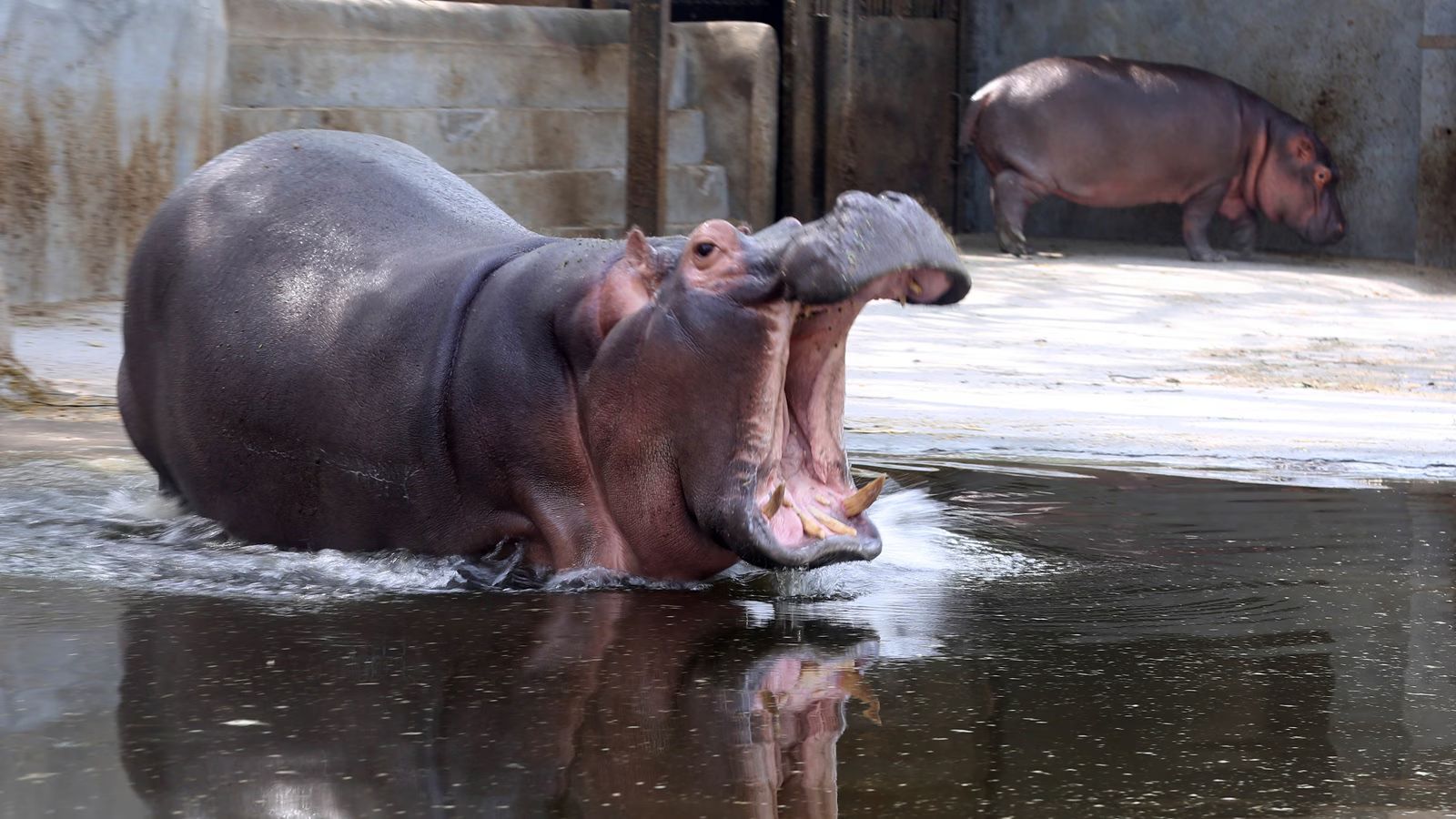
The death of Fiona the hippopotamus on November 19, 2026, after she ingested a wool cap that fell into her Cincinnati Zoo enclosure, marked the end of a nine-year digital phenomenon that began with her improbable survival as a 13-kilogram premature newborn. But Fiona was not alone in capturing global attention.
She belonged to a growing pantheon of animal internet celebrities — among them Neil, a 1,000-kilogram elephant seal who wandered the streets of Hobart, Tasmania, and Punch, a Japanese macaque in Ichikawa City Zoo who clung to a stuffed orangutan — whose viral fame reveals as much about human psychology as about animal behavior.
The Unlikely Celebrities
Fiona entered the world in 2017 at less than half the typical birth weight for a Nile hippopotamus. Her daily struggles — learning to nurse, gaining weight, taking her first swims — were broadcast to millions via The Fiona Show and a Facebook following that reached 6.2 million.
Half a world away, Neil the elephant seal earned the nickname "Tasmania's favourite vandal" after he began hauling his massive frame onto Hobart's streets, napping near fences and occasionally crushing traffic cones or parked cars.
In Japan, Punch the macaque became an instant sensation after zookeepers gave him a plush orangutan to replace the mother who had rejected him; footage of the tiny monkey dragging a toy larger than himself and curling into its embrace spread rapidly across platforms.
These three animals shared little biologically — a hippo, a seal, a macaque — but each became a focal point for massive online communities. Their appeal was not merely aesthetic; it was narrative. Each animal's story contained a clear arc of adversity: prematurity, isolation, maternal rejection. Audiences did not just watch; they invested emotionally, celebrating milestones and mourning setbacks as if they were personal acquaintances.
The Science of Shared Vulnerability
Marine ecologists who studied Neil's urban excursions offered a specific explanation for his apparently destructive behavior. Elephant seals are highly social; they spend their lives in dense colonies, sparring, sleeping in contact, and coordinating movements. Neil, separated from his pod, was not "misbehaving" — he was compensating for a profound social deficit. His interactions with fences and barricades were substitute forms of the physical contact his biology demanded.
In plain terms, Neil was lonely. His species evolved to live in constant tactile connection with others. When that contact vanished, he sought it wherever he could find it, even from inanimate objects. The same logic applies to Punch: orphaned and bullied by older monkeys, he transferred his need for maternal comfort onto a stuffed toy.
Digital Communities and Parasocial Bonds
The human response to these animals illustrates a well-documented phenomenon: parasocial relationships. These are one-sided emotional bonds that audiences form with media figures — celebrities, fictional characters, or, increasingly, animals — whom they observe regularly but never meet.
Put simply, parasocial relationships feel like friendship to the viewer, but the other party has no idea the viewer exists. When Fiona's keepers announced her death, the outpouring of grief on social media mirrored the reaction to a public figure's passing — because for millions, she was a public figure.
Resilience as a Shared Narrative
Columnist Nandini Nair argues that the hashtags #teamfiona and #HangInTherePunch function as more than digital silliness. They act as collective mantras. In an era marked by widespread anxiety, political polarization, and epidemic loneliness, these animals offer uncomplicated stories of perseverance.
Fiona's transformation from a "tiny alien baby" into a 1,000-kilogram adult swimming confidently beside her keepers became a visual metaphor for overcoming long odds. Punch's eventual bonding with a younger monkey — rendering his plush orangutan unnecessary — provided a satisfying narrative closure: the outsider finds his troop.
These arcs resonate because they mirror the human desire for agency and belonging. Watching an animal navigate adversity successfully provides a low-stakes, high-reward emotional rehearsal for our own struggles. The digital community amplifies this effect; sharing the journey with thousands of strangers converts private empathy into public solidarity.
The Limits of Digital Empathy
Yet the phenomenon carries an inherent tension. The same platforms that connect millions to Fiona's daily swims also mediate the conditions of her captivity. The wool cap that killed her fell from a visitor — a reminder that the boundary between care and harm is thin.
Neil's urban wanderings prompted authorities to consider relocation or euthanasia for public safety, raising questions about habitat loss and human-wildlife conflict. Punch's initial viral moment depended on his maternal deprivation, a circumstance the zoo's hand-rearing protocol could not fully remedy.
The column concludes that dismissing these hashtags as trivial misses their deeper significance. They are, in Nair's words, "hope" — not because the animals are saved, but because the collective act of witnessing and caring proves that empathy remains a default human setting, even when mediated by screens. The animals do not know they are symbols. But the humans who follow them do, and that knowledge shapes how we relate to the living world.
In the end, Fiona, Neil, and Punch are not just viral content. They are mirrors. Their loneliness reflects our own; their resilience fuels ours. And their deaths — or their recoveries — become shared reference points in a fragmented digital culture, reminding us that the capacity to care across species and screens is itself a form of survival.
Was this clear?
library_booksSource
Indian Express — Opinion
24 Nov 2026
- funding model
- family-owned commercial media (revenue from advertising and subscriptions)
- owner
- Indian Express (P) Ltd, controlled by the Goenka family; Viveck Goenka is Chairman & Managing Director
Was the source link correct?
topicRelated Articles

Congress MP Asserts Opposition Unity Against Delimitation Bill, Citing Constitutional Defense

Love as Resistance: Dalit-Feminist Anthology Reframes Intimacy as Political Defiance Against Caste

Rajasthan SOG Busts Interstate Racket Selling Forged Medical Degrees; Class 11 Dropout Posed as Doctor at Safdarjung

Four Killed in Rohtak Hotel Shooting; Police Investigate Alleged Honey-Trap Ambush

Delimitation Bill Framed as Trojan Horse to Reshape India's Electoral Map

Vijay's TVK Labels Stalin 'Savarkar 2.0' in Sharp Delimitation Offensive

Rohit Sharma Reveals Reluctance Behind Mumbai Indians Captaincy Return
