
Cryptocurrency Mining in 2026: Emerging Strategies for Zero-Cost Operations

The Shifting Landscape of Crypto Mining
As the cryptocurrency ecosystem matures, the barriers to entry for mining operations continue to evolve. The year 2026 marks a pivotal moment where traditional hardware-intensive approaches give way to innovative, low-cost methodologies that leverage cloud infrastructure, renewable energy integration, and protocol-level changes across major blockchain networks.
Cloud-Based and Browser Mining Solutions
Browser-based mining platforms have undergone significant architectural improvements, moving beyond the inefficient JavaScript implementations of previous years. Modern WebAssembly modules now enable near-native execution speeds for proof-of-work algorithms, allowing users to contribute computational resources through standard web interfaces without specialized hardware investments.
Distributed Computing Frameworks
New distributed computing frameworks aggregate idle processing power from millions of devices worldwide. These networks employ sophisticated load-balancing algorithms that dynamically allocate mining tasks based on device capabilities, thermal thresholds, and electricity cost profiles, creating a more equitable participation model.
Renewable Energy Integration
The convergence of decentralized energy grids and blockchain validation layers has created novel opportunities for cost-neutral mining. Solar and wind microgrids in regions with excess generation capacity now directly power validation nodes, with smart contracts automatically adjusting computational intensity based on real-time energy availability and market pricing.
Protocol-Level Innovations
Several major blockchain networks have implemented or scheduled consensus mechanism modifications that reduce hardware requirements. These changes include memory-hard algorithms resistant to ASIC dominance, stake-weighted validation hybrids, and zero-knowledge proof systems that shift computational burden from raw hashing to verifiable computation.
Regulatory and Economic Considerations
The regulatory landscape continues to shape mining economics. Jurisdictions offering clear frameworks for digital asset operations have attracted infrastructure investment, while electricity pricing structures increasingly favor flexible, interruptible loads — a characteristic that aligns well with mining operations capable of rapid scaling.
Future Trajectory
The trajectory points toward further democratization of network participation, where the distinction between user and validator continues to blur.
Was this clear?
library_booksSource
Kraken
28 Nov 2026
- funding model
- commercial / venture capital
- jurisdiction
- International
- owner
- Private technology company (Kraken)
Was the source link correct?
topicRelated Articles

Gemini Launches BitcoinBuzz: A Composite Sentiment Indicator for Bitcoin Markets

Prediction Markets Emerge as Real-Time Forecasting Engines for Finance, Policy, and Sports
Square Expands Subscription Management Tools for Merchants with New Dashboard Controls

Canadian Robotic Exoskeleton Enables First Steps for British Boy with Rare Epilepsy

Scientists Define Red Lines for Autonomous AI Agents Amid Growing Capability Concerns
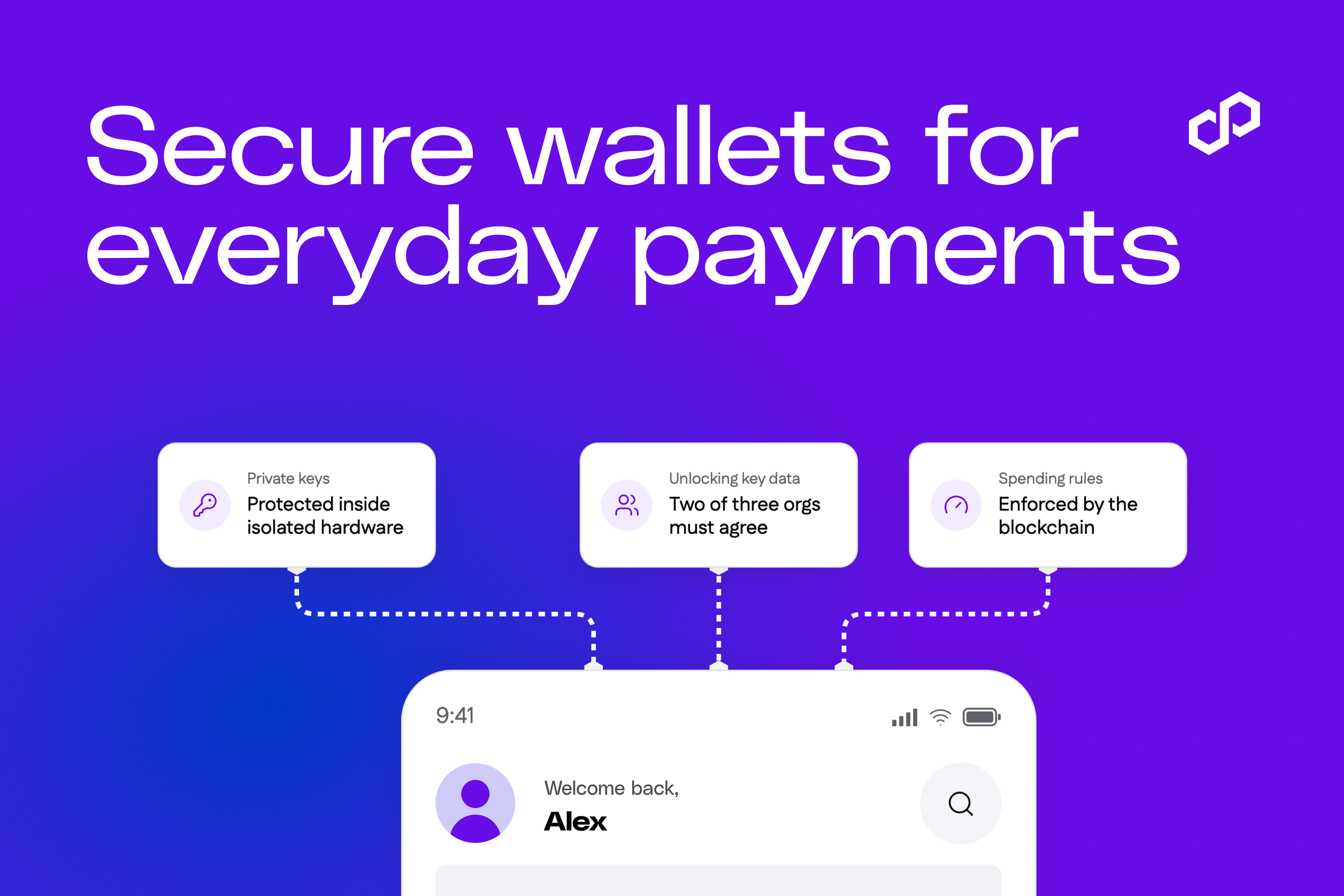
Polygon's Open Money Stack Redefines Wallet Security for Everyday Payments

Ai2's MolmoBot Achieves Zero-Shot Robot Manipulation Trained Entirely in Simulation
